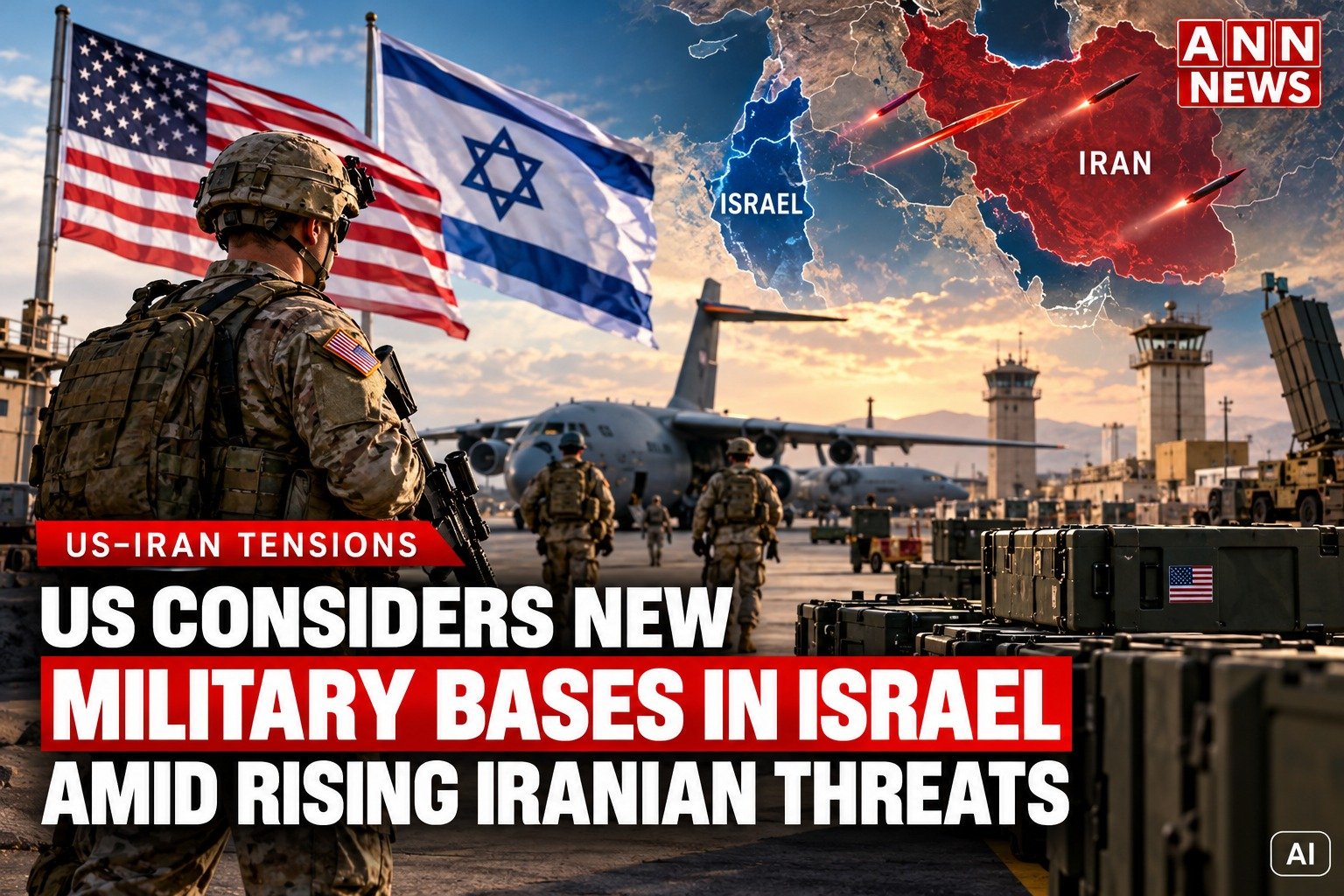
The Pentagon is considering establishing new U.S. military bases in Israel as part of a broader review of the American military presence and force posture in the Middle East, amid growing concerns over potential Iranian attacks on U.S. troops and facilities.
The review comes as Washington reassesses where American aircraft, troops and other military assets should be positioned in the region. According to reporting by The New York Times, U.S. officials are examining several options, including the possibility of developing new facilities in Israel. Any major new base construction could require congressional approval and would likely take years to complete.
The U.S. Central Command (CENTCOM) is also examining ways to reposition existing forces and adjust the regional military posture without waiting for new permanent facilities to be built.
Fairford Withdrawal Highlights Growing Security Concerns
The review gained urgency after the United States withdrew its B-1 bombers from RAF Fairford in Britain following intelligence indicating a possible Iranian-linked drone threat.
All 12 B-1 bombers deployed at the British base were returned to their U.S. home stations. U.S. officials said the move was precautionary and followed new intelligence concerning a potential attack targeting the aircraft and American personnel at the base.
British authorities are investigating a suspected terrorist plot involving RAF Fairford. A seventh suspect was released on bail on October 8, while the investigation into possible Iranian links remains active. Tehran has denied involvement.
The episode has highlighted the vulnerability of forward U.S. military installations to relatively low-cost drone attacks. RAF Fairford has been an important staging location for American long-range bomber operations, including missions connected to the conflict with Iran.
Pentagon Reviews U.S. Military Footprint
The Pentagon's broader review reflects concerns that American bases in the Middle East could face missile, drone or other attacks if hostilities with Iran intensify.
The United States has already been repositioning military assets in the region. Additional naval forces, including the USS Theodore Roosevelt carrier group, have been moving toward the Middle East as Washington prepares for a range of possible contingencies.
Recent reporting also indicates that CENTCOM has been instructed to prepare for the possibility of renewed major military operations against Iran, although President Donald Trump has not made a final decision on whether or when such operations would begin.
Israel Could Become More Important to U.S. Force Posture
If Washington ultimately decides to establish or expand permanent facilities in Israel, the move would represent a significant adjustment to the U.S. military posture in the region.
However, consideration of new bases does not mean that a final decision has been made. No specific locations or construction timetable have been publicly identified.
The Pentagon is therefore weighing two parallel approaches: expanding or developing facilities that could provide more secure long-term operating locations, while simultaneously repositioning existing forces to reduce their exposure to Iranian missiles and drones.
The developments underscore a broader strategic dilemma for Washington: maintaining the ability to conduct long-range military operations in the Middle East while protecting American personnel and high-value aircraft from increasingly sophisticated threats.